images
![]()
![]()
![]()
![]()
![]()
1
![]()
![]()
![]()
![]()
2
![]()
3
![]()
4
![]()
![]()
![]()
5
![]()
6

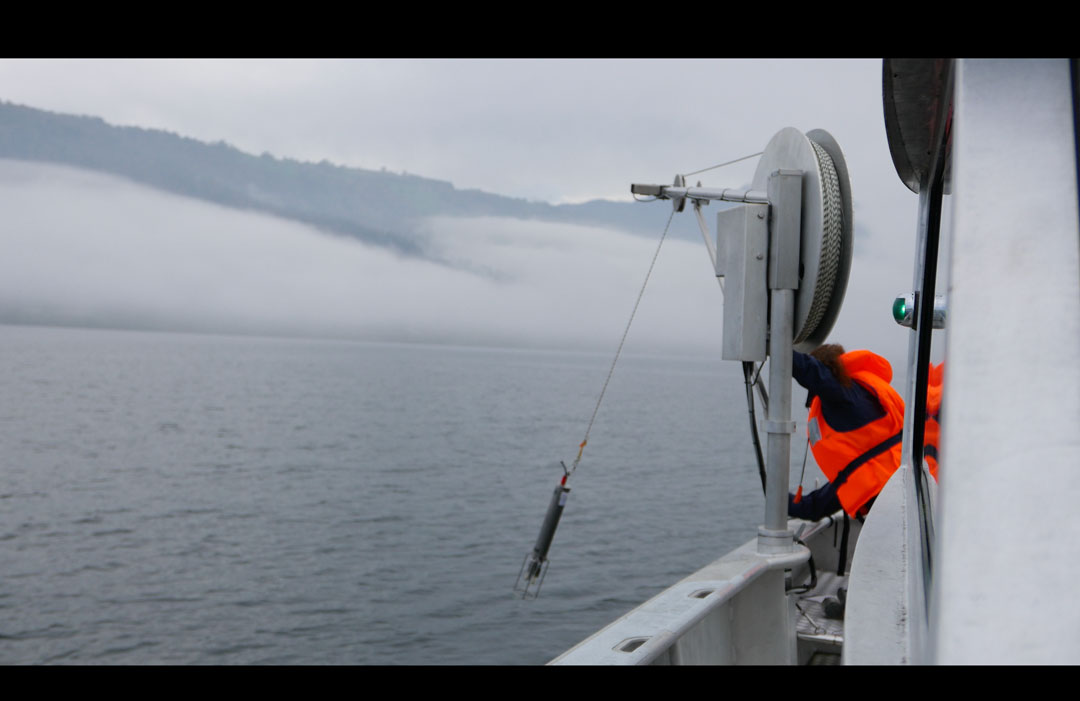


1


2
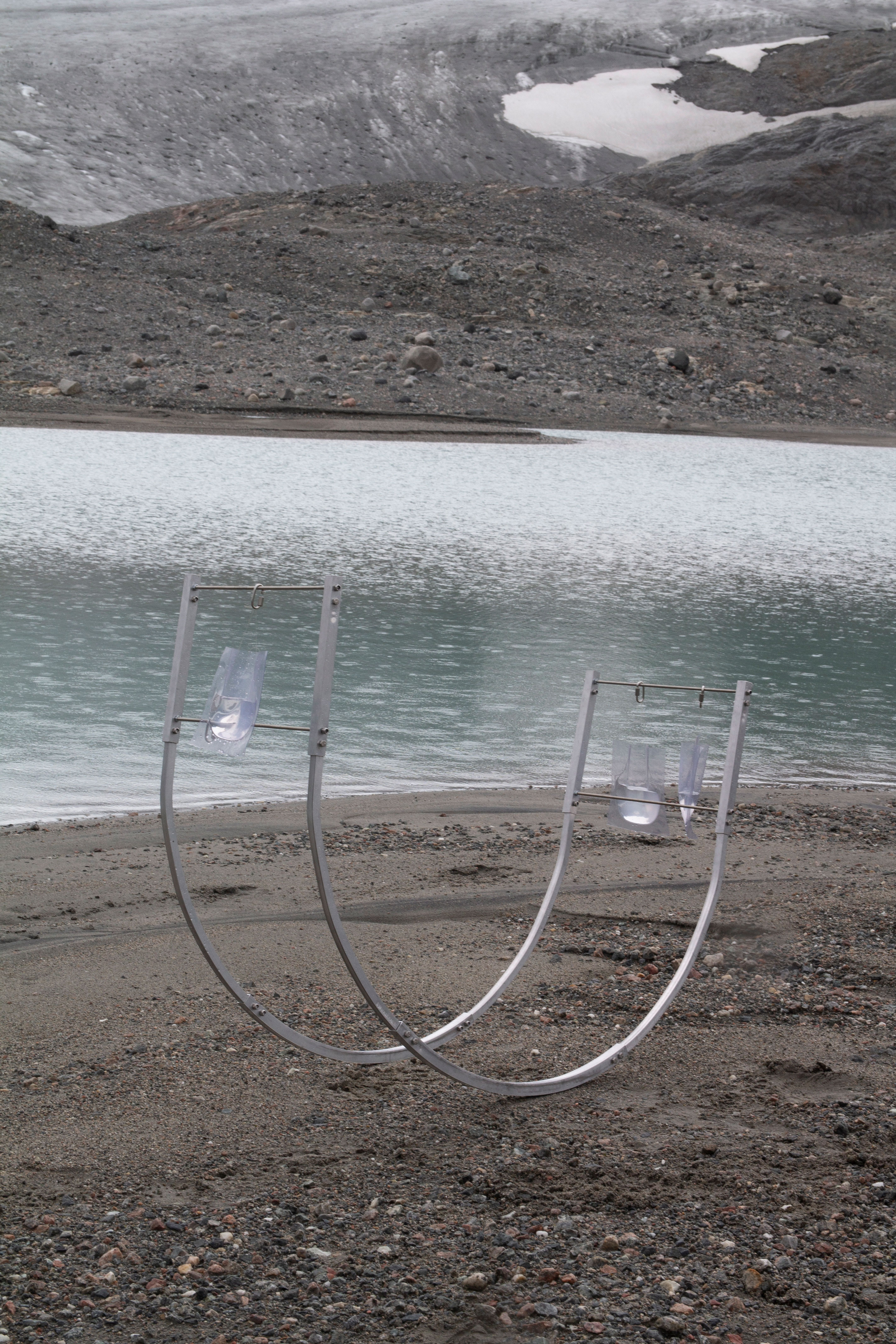
3
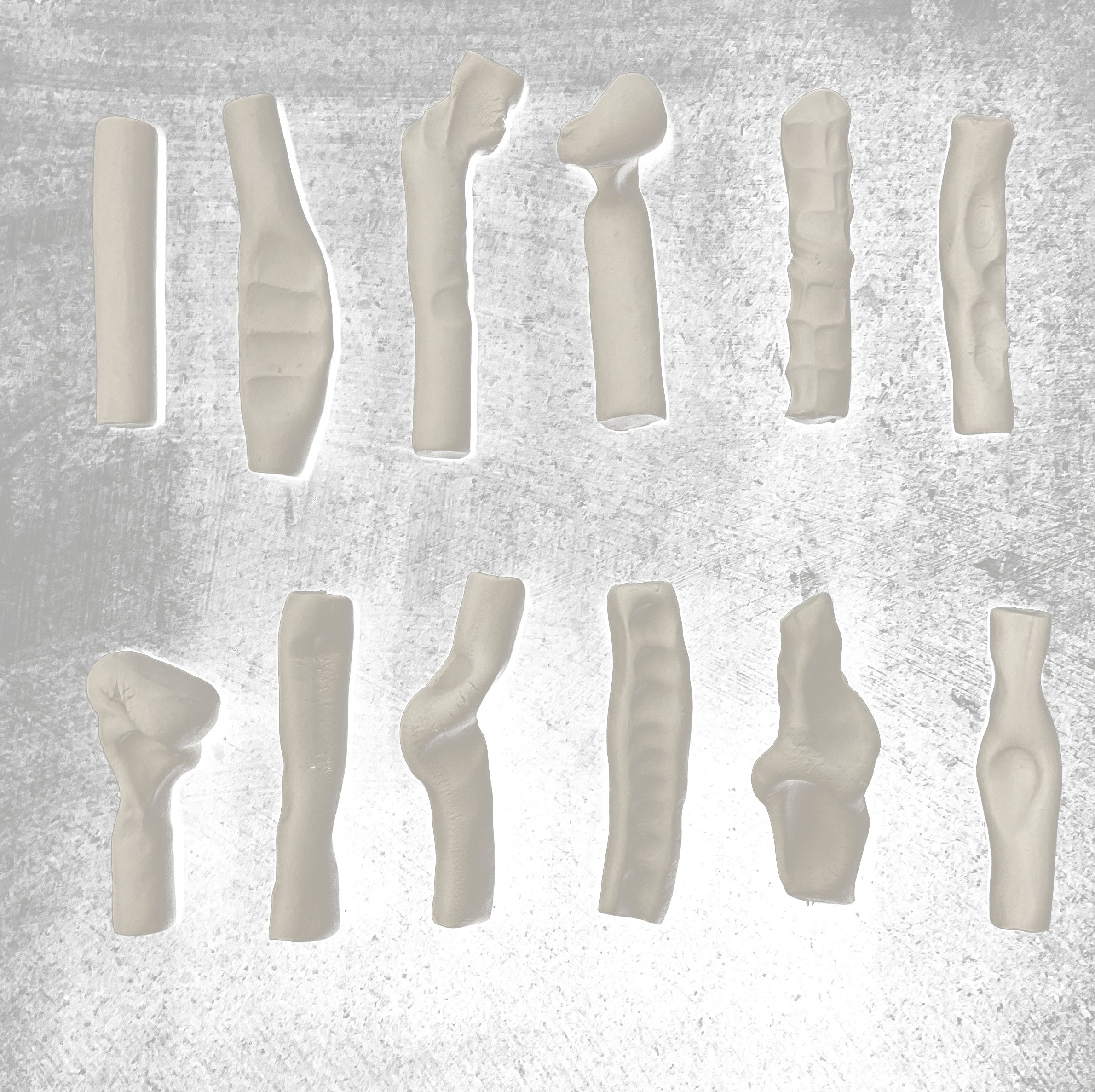
4


5
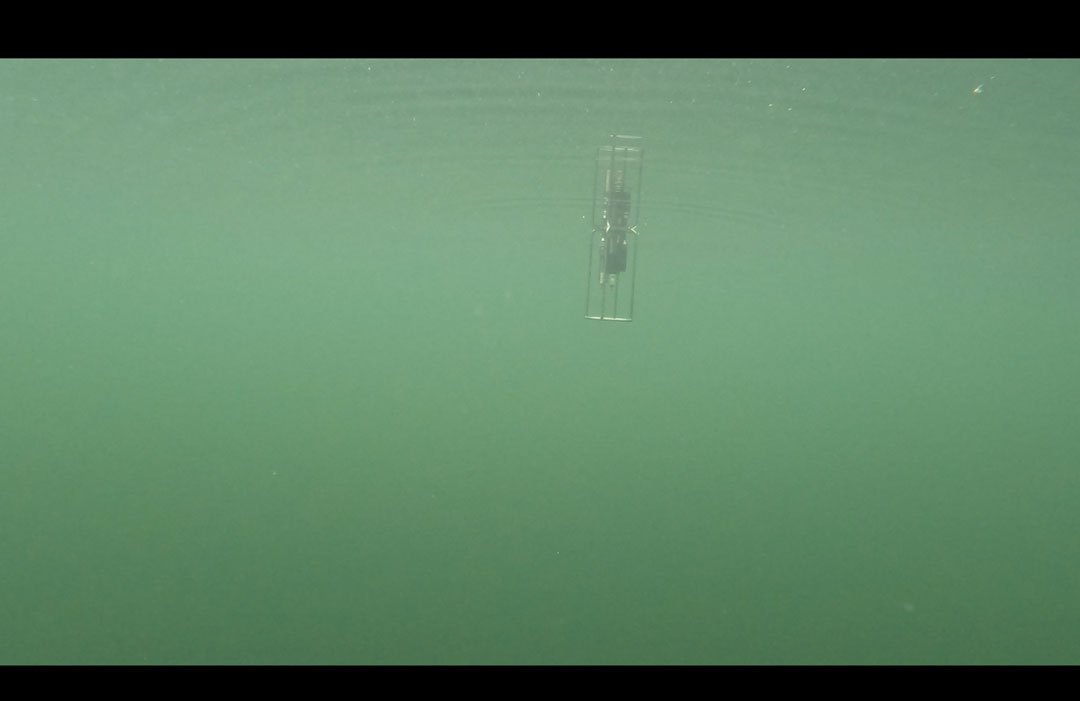
6
notes
1 Fieldwork day on Lake Zug and scientific devices inspirations
2 Underwater shots taken from the tools’ perspective
3 Kinetic installation
4 Abstraction of scientific processes gestures on porcelain
5 Water movements choreographies and horizon reflections
6 Water probe hitting the lake surface
1 Fieldwork day on Lake Zug and scientific devices inspirations
2 Underwater shots taken from the tools’ perspective
3 Kinetic installation
4 Abstraction of scientific processes gestures on porcelain
5 Water movements choreographies and horizon reflections
6 Water probe hitting the lake surface
07. Hydrorecord
Hydrorecord is an on-going experimental research project in collaboration with the aquatic geochemist David Janssen.
Collaborating in the context of the art and science programme PolARTS by Pro Helvetia and Swiss Polar Institute, Pauline Agustoni and Dave Janssen form a tandem interested in the role that art and science can jointly play in understanding glacial lakes and water chemistry holistically. Interested in fieldwork technologies and tool design, their research focussed on working with several augmented scientific devices to generate ambiguous and artistic visual material that offers a new perspective on water research.
Situating their research on networks of glacial lakes in Switzerland and Southern Greenland, their experimental project revolves around the understanding of scientific and artistic processes, tools, technologies and gestures, to reflect on the role they can play in understanding complex waterscapes, as well as dissect contextual and political situations of scientific research.
What forms of materiality are embodied in scientific and artistic technologies, and through which gestures, practices, and protocols are they activated? Under what motivations were these tools developed, and how are they simultaneously shaped by new scientific objectives? As sensitive and technical interfaces, how do they operate as sites of translation between bodies, aquatic environments, and scientific knowledge, while simultaneously exposing the frictions and opacities inherent to science?
The project is as much about the tools and processes themselves as it is about offering new perspectives on scientific research, making visible the often-invisible processes and chemistry that shape our understanding of these lake environments.
2024 - ongoing
Collaboration with aquatic geochemist David Janssen and Eawag - Swiss Federal Institute of Aquatic Science and Technology
Realized in the art and science collaboration programme PolARTS of Pro Helvetia and Swiss Polar Institute (2024-2025)
Supported by Pro Helvetia and Swiss Polar Institute (PolARTS-2024-001)